Introduction
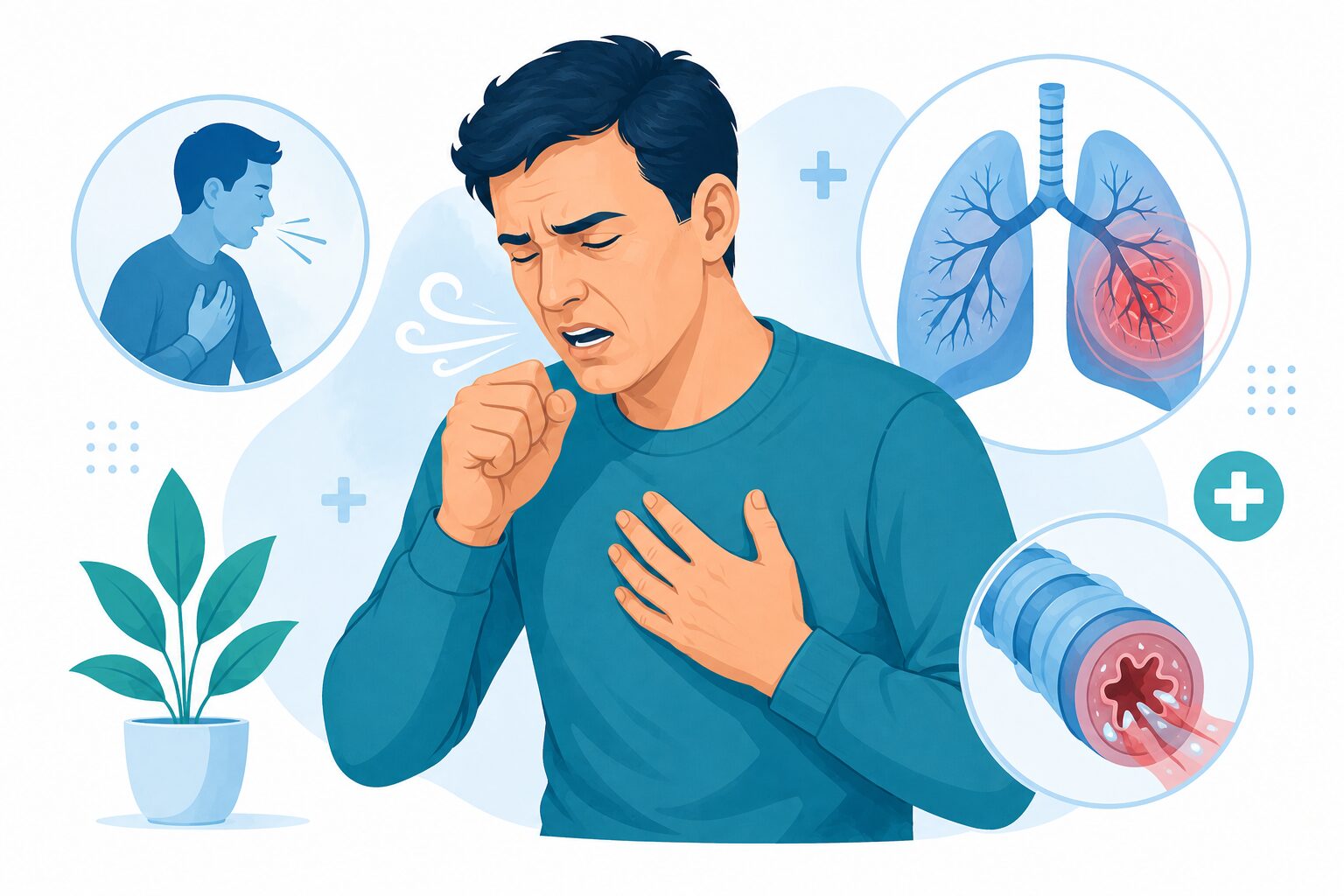
Lung cancer is one of the most common and serious forms of cancer worldwide. Despite significant advances in diagnosis and treatment, it remains the leading cause of cancer-related deaths globally. One of the greatest challenges in managing lung cancer is that symptoms often do not become noticeable until the disease has reached an advanced stage. As a result, many people mistake the early warning signs for common respiratory illnesses, delaying medical evaluation and treatment.
According to a peer-reviewed review published in Contemporary Oncology, lung cancer accounts for the highest number of cancer-related deaths worldwide, highlighting the critical importance of early recognition, timely diagnosis, and appropriate intervention. [1]
Recognizing potential symptoms early and seeking medical attention promptly can significantly improve treatment options and long-term outcomes. Understanding these warning signs is particularly important for people who currently smoke or have smoked in the past, individuals exposed to secondhand smoke, those with occupational exposure to hazardous substances such as asbestos or radon, and anyone with a family history of lung cancer.
Why Early Detection Matters
Early diagnosis remains one of the most important factors influencing lung cancer survival. When detected before it has spread beyond the lungs, treatment is often more successful and a wider range of therapies may be available, including surgery with curative intent.
According to the National Cancer Institute (NCI) Surveillance, Epidemiology, and End Results (SEER) Program, the 5-year relative survival rate is approximately 65.5% for localized lung cancer, compared with 38.3% for regional disease and 9.5% for distant metastatic disease. These statistics emphasize the importance of recognizing symptoms early and seeking prompt medical evaluation. [2]
For individuals at increased risk, healthcare providers may recommend annual low-dose computed tomography (LDCT) screening. Screening has been shown to detect many lung cancers before symptoms develop, improving the likelihood of successful treatment. [3]
10 Early Warning Signs and Clinical Indicators
1. A Persistent Cough That Does Not Go Away
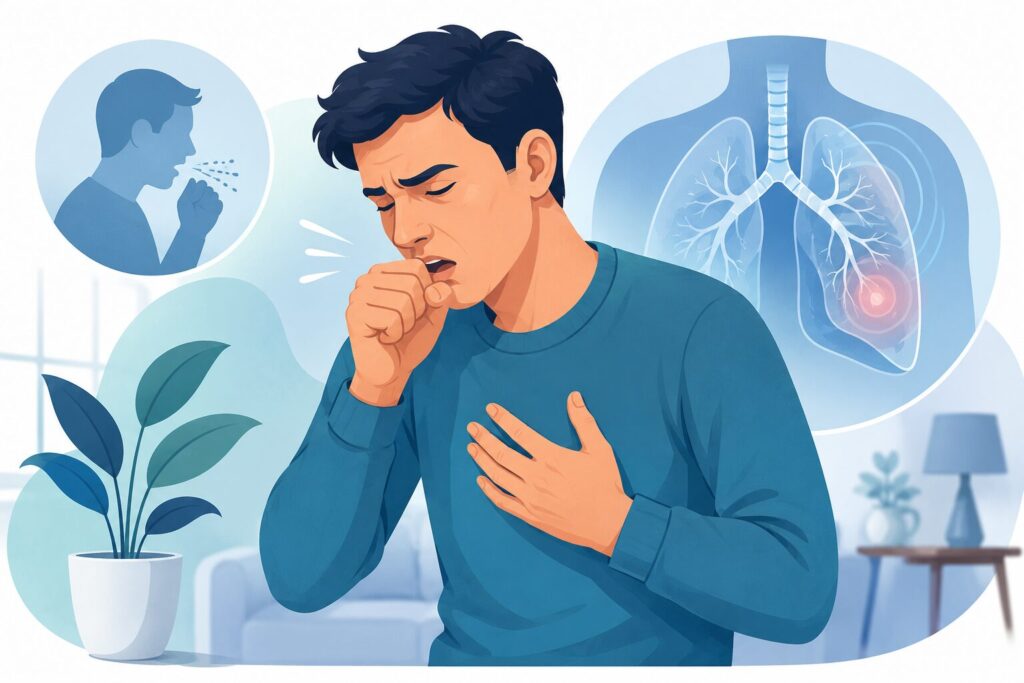
A persistent cough is one of the earliest and most common symptoms of lung cancer. While coughing frequently results from viral infections, allergies, or other respiratory conditions, a cough that lasts longer than three weeks, gradually worsens, or changes in character should be medically evaluated.
Some people notice that a chronic smoker’s cough becomes more frequent, deeper, or produces different amounts of mucus. Others may develop an entirely new cough without any obvious cause. Although persistent coughing does not necessarily indicate lung cancer, it warrants assessment to identify the underlying cause. [4]
2. Coughing Up Blood (Hemoptysis)
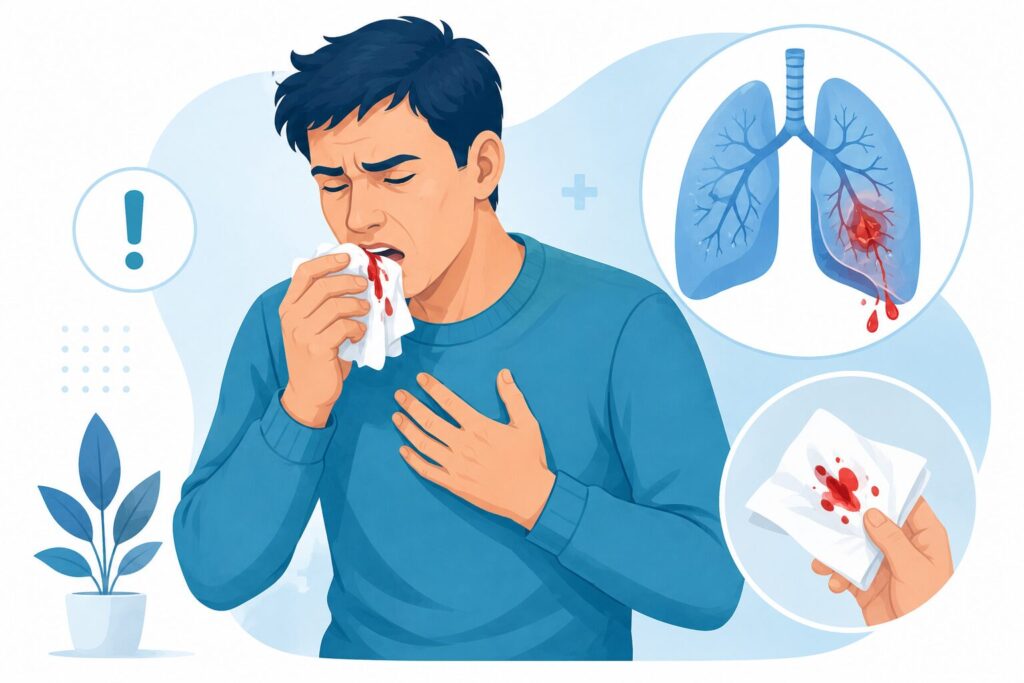
Coughing up blood, known medically as hemoptysis, should always be evaluated promptly by a healthcare professional, even if only a small amount of blood is present.
Blood may appear as bright red streaks within mucus, rust-colored sputum, or small clots. Although infections, bronchitis, tuberculosis, and other lung conditions may also cause hemoptysis, it remains one of the most important warning signs associated with lung cancer.
Early investigation helps determine the cause and allows appropriate treatment to begin as soon as possible. [5]
3. Shortness of Breath (Dyspnea)
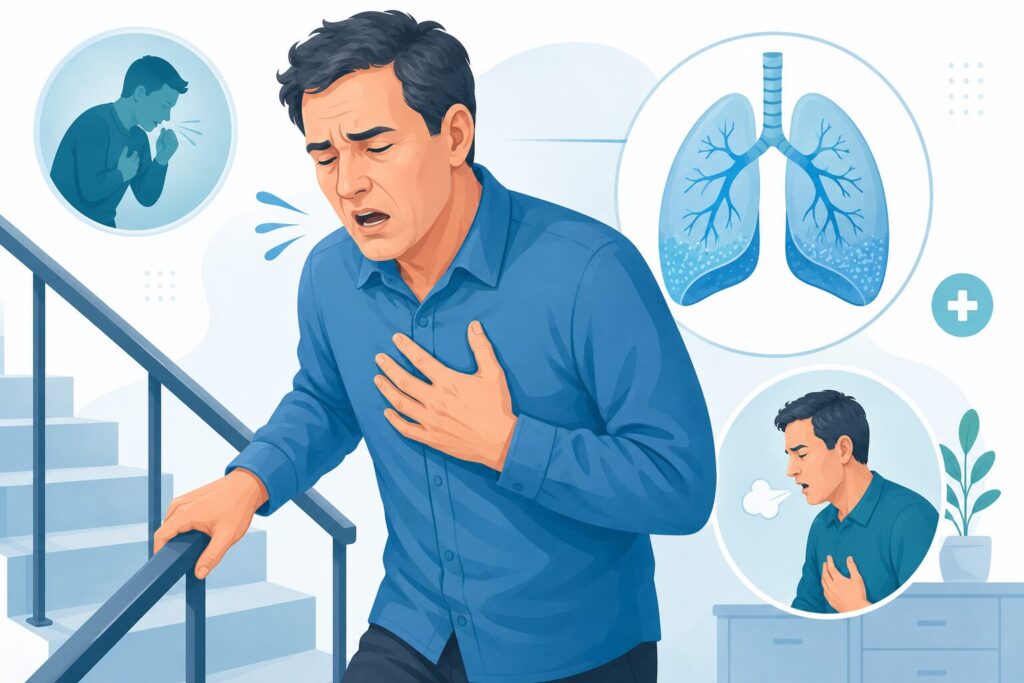
Shortness of breath may develop when a lung tumor narrows or blocks an airway, reduces healthy lung tissue, or causes fluid to accumulate around the lungs.
Individuals may notice becoming breathless while climbing stairs, walking short distances, or performing activities that previously caused no difficulty. Some people experience persistent chest tightness or feel unable to take a full breath.
Although shortness of breath has many possible causes, new or worsening breathlessness should always be assessed by a healthcare professional. [4]
4. Chest Pain
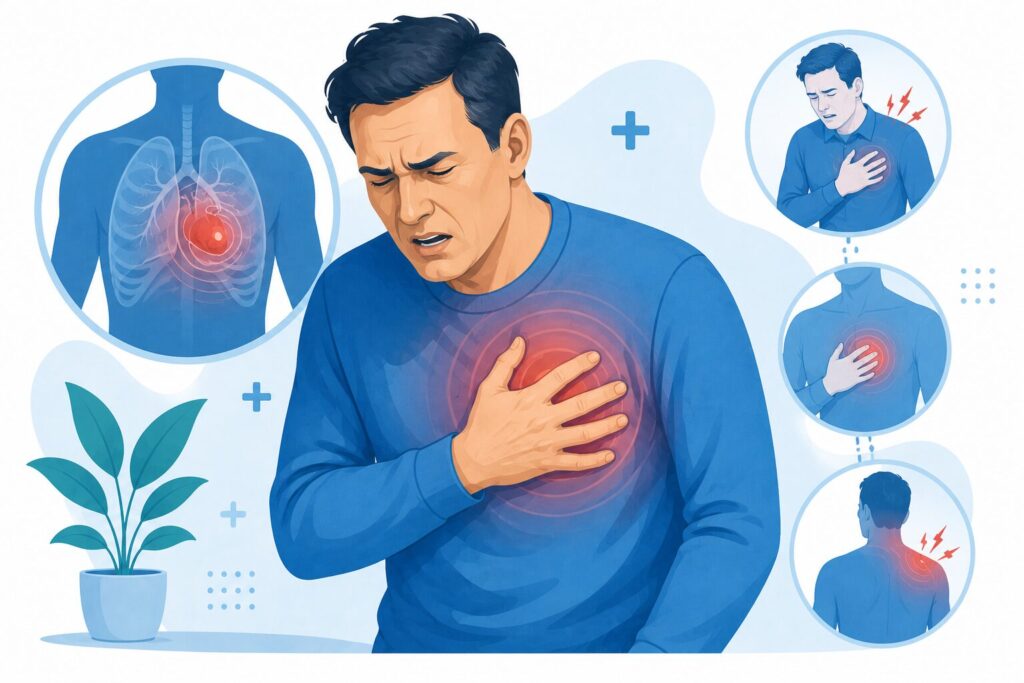
Persistent chest pain can occur when a lung tumor affects nearby tissues, the lining of the lungs (pleura), chest wall, or surrounding nerves. The pain may be constant or intermittent, worsen during coughing or deep breathing, or radiate toward the shoulder or back.
Although chest pain has many possible causes, persistent or unexplained discomfort should never be ignored and should be evaluated by a healthcare professional to determine the underlying cause. [5]
5. Wheezing
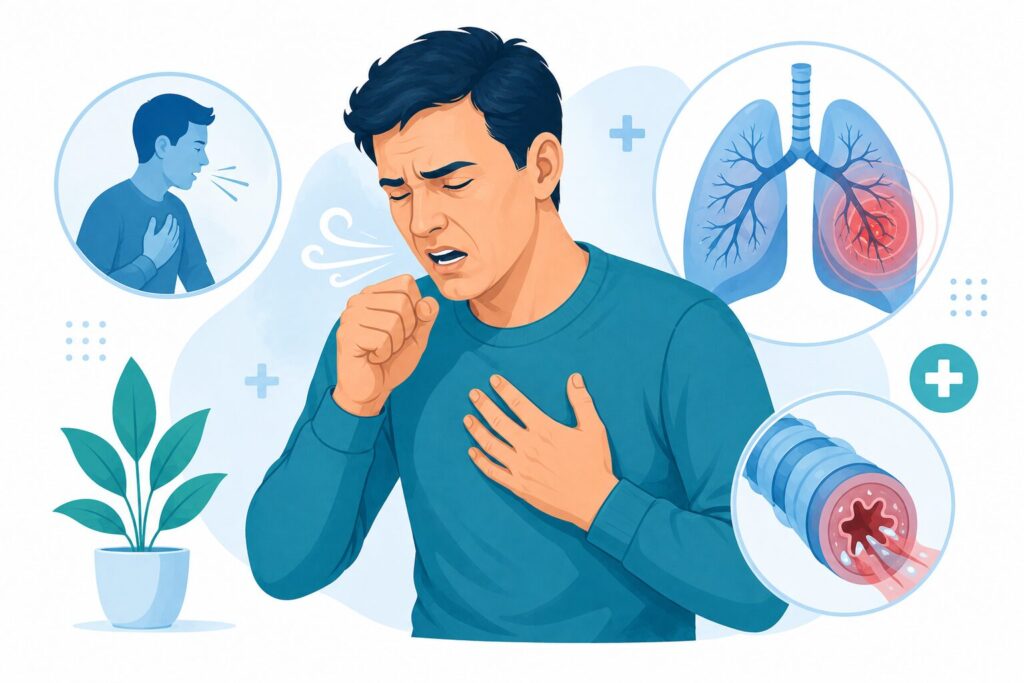
Wheezing is a high-pitched whistling sound that occurs when air passes through narrowed airways. While asthma and allergies are common causes, lung tumors may also partially block an airway and produce wheezing.
New-onset wheezing, particularly in adults without a history of asthma, should be medically assessed to determine its cause. [6]
6. Hoarseness or Changes in Voice
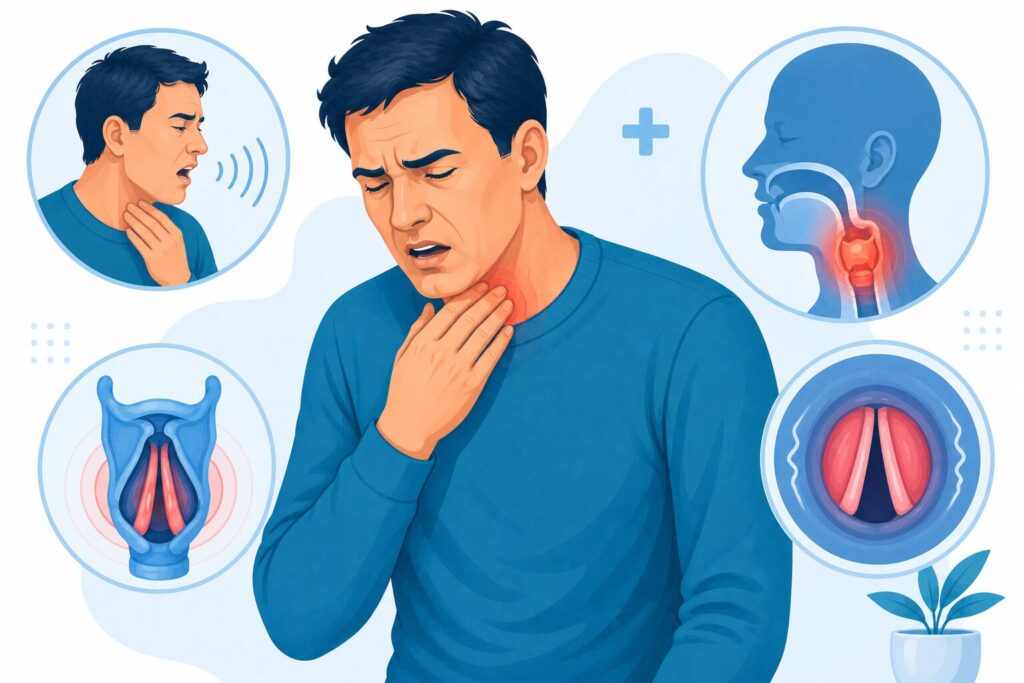
Persistent hoarseness or changes in the voice may occur when a lung tumor affects the recurrent laryngeal nerve, which controls the vocal cords.
Symptoms may include a raspy voice, reduced vocal strength, difficulty projecting the voice, or persistent hoarseness lasting longer than three weeks. While many cases are unrelated to cancer, persistent voice changes deserve medical evaluation. [4]
7. Recurrent Chest Infections
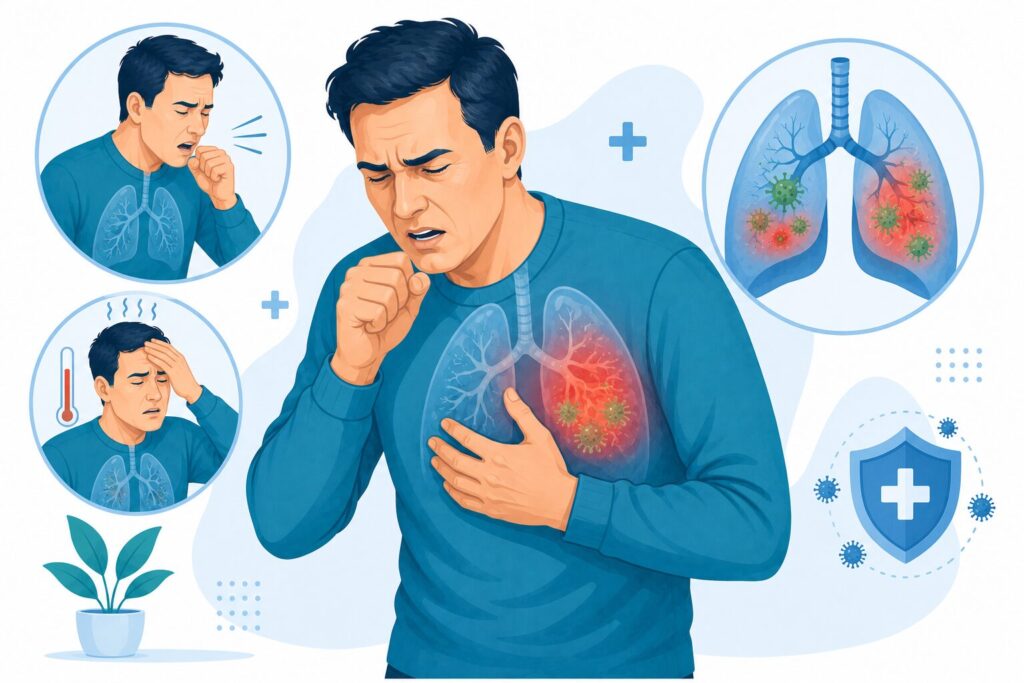
Frequent respiratory infections, including bronchitis or pneumonia, may sometimes occur when a lung tumor partially blocks an airway. Airway obstruction can impair normal mucus drainage, allowing bacteria to accumulate and increasing the likelihood of repeated infections.
Recurring infections, particularly those affecting the same area of the lung, or infections that do not respond as expected to treatment should be investigated to rule out an underlying obstruction. [5]
8. Unexplained Weight Loss

Unintentional weight loss is a common symptom of many cancers, including lung cancer. Losing weight without changes to diet, exercise, or lifestyle may indicate that the body is using more energy than usual due to cancer-related metabolic changes. Reduced appetite, inflammation, and the body’s response to cancer can all contribute to unintended weight loss.
Although weight loss may occur for many reasons, losing a significant amount of weight without trying should always be discussed with a healthcare professional. [5]
9. Ongoing Fatigue

Cancer-related fatigue differs from normal tiredness. It is a persistent feeling of physical, mental, or emotional exhaustion that does not improve with adequate rest or sleep. Many individuals with lung cancer experience fatigue long before diagnosis.
This type of fatigue may interfere with work, exercise, and everyday activities, making routine tasks increasingly difficult. While fatigue has many potential causes, persistent or unexplained exhaustion should be medically evaluated. [7]
10. Loss of Appetite
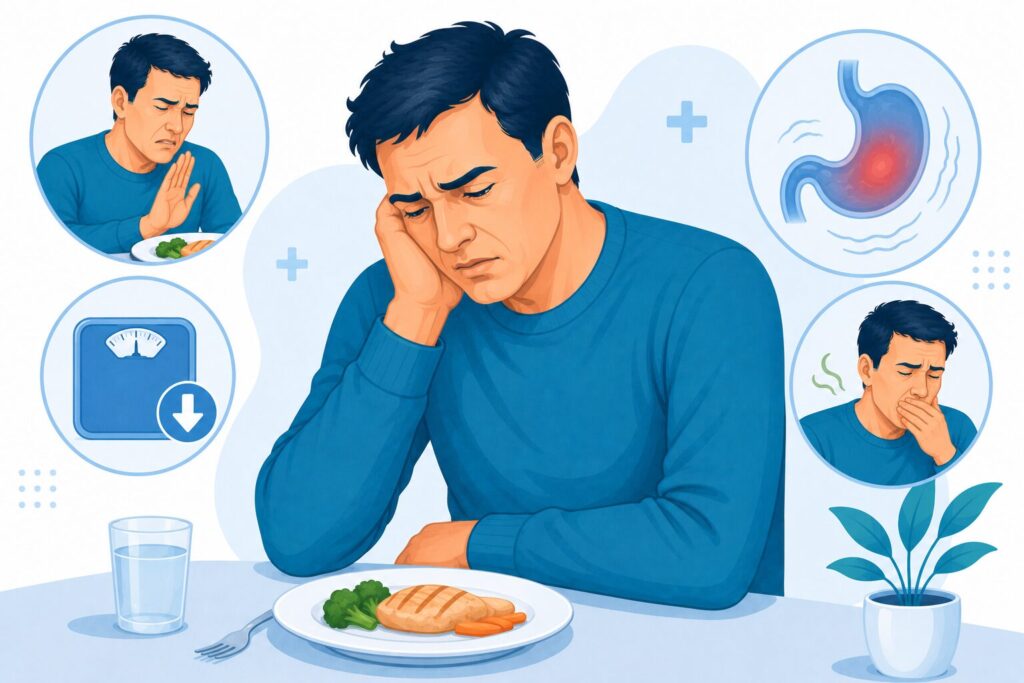
A noticeable reduction in appetite is another symptom commonly reported by people with lung cancer. Changes in metabolism, inflammation, and the body’s response to cancer may reduce the desire to eat, leading to nutritional deficiencies and unintended weight loss over time.
Persistent loss of appetite, particularly when accompanied by other symptoms such as fatigue or weight loss, should be assessed by a healthcare provider. [8]
Who Is Most at Risk?
Although anyone can develop lung cancer, certain factors significantly increase the risk. You may have a higher likelihood of developing lung cancer if you:
- Currently smoke cigarettes or have smoked in the past.
- Are regularly exposed to secondhand smoke.
- Have prolonged exposure to radon gas, asbestos, diesel exhaust, silica, arsenic, chromium, or other occupational carcinogens.
- Have a family history of lung cancer, particularly among first-degree relatives. Research published in Contemporary Oncology indicates that a family history of lung cancer is associated with approximately a 1.7-fold increase in overall risk, with the risk increasing further among first-degree relatives. [1]
- Have chronic lung diseases such as Chronic Obstructive Pulmonary Disease (COPD) or pulmonary fibrosis.
- Are over the age of 50, especially if you have a significant smoking history. [3]
When Should You See a Doctor?
Many of the symptoms described above can occur as a result of common respiratory infections or other non-cancerous conditions. However, persistent, worsening, or unexplained symptoms should never be ignored.
You should seek medical evaluation if you experience any of the following:
- A cough that lasts longer than three weeks or continues to worsen.
- Coughing up blood, even in small amounts.
- Persistent or unexplained chest pain.
- Ongoing shortness of breath that interferes with daily activities.
- Recurrent chest infections, particularly if they occur in the same area of the lung.
- Unexplained weight loss.
- Persistent fatigue that does not improve with rest.
- Loss of appetite lasting several weeks.
- Any combination of these symptoms, especially in individuals with known risk factors for lung cancer.
Early medical evaluation does not necessarily mean cancer is present. These symptoms may result from a variety of medical conditions. However, identifying the underlying cause promptly allows appropriate treatment to begin sooner and, if lung cancer is present, increases the likelihood of diagnosis at an earlier and more treatable stage.
For individuals at high risk, particularly adults aged 50 years or older with a significant smoking history, healthcare providers may recommend annual low-dose computed tomography (LDCT) screening even in the absence of symptoms, in accordance with established screening guidelines. [3]
Conclusion
Lung cancer often develops silently, with symptoms that may initially appear mild or resemble those of common respiratory illnesses. A persistent cough, coughing up blood, shortness of breath, chest pain, recurrent chest infections, unexplained weight loss, fatigue, loss of appetite, wheezing, and persistent hoarseness should not be dismissed, particularly in individuals with known risk factors such as smoking, occupational exposure to carcinogens, or a family history of the disease.
While experiencing one or more of these symptoms does not necessarily mean a person has lung cancer, persistent or unexplained symptoms warrant timely medical assessment. Early diagnosis provides more treatment options, improves the likelihood of successful outcomes, and may significantly increase long-term survival.
Understanding the early warning signs, recognizing individual risk factors, and seeking appropriate medical evaluation when symptoms arise are important steps in supporting lung health. For individuals concerned about their personal risk, completing a lung health assessment through the Be Lung Aware portal can provide valuable guidance and encourage informed discussions with a healthcare professional.
Medical Disclaimer
This article is intended for educational and informational purposes only. It should not be used as a substitute for professional medical advice, diagnosis, or treatment. The information provided is based on current evidence from recognized medical organizations and peer-reviewed scientific literature at the time of publication. Always consult a qualified healthcare professional regarding any symptoms, medical concerns, or decisions related to your health. Never disregard professional medical advice or delay seeking medical attention because of information you have read in this article.
References
[1] Islam KM, et al. Lung Cancer Risk Factors and Epidemiology. Contemporary Oncology.
https://pmc.ncbi.nlm.nih.gov/articles/PMC8063897
[2] National Cancer Institute (NCI). Lung Cancer Statistics (SEER Program).
https://seer.cancer.gov/statfacts/html/lungb.html
[3] National Cancer Institute (NCI). Lung Cancer Screening (PDQ®).
https://www.cancer.gov/types/lung/patient/lung-screening-pdq
[4] American Cancer Society. Signs and Symptoms of Lung Cancer.
https://www.cancer.org/cancer/types/lung-cancer/detection-diagnosis-staging/signs-symptoms.html
[5] National Cancer Institute (NCI). Lung Cancer Overview.
https://www.cancer.gov/types/lung
[6] NHS. Lung Cancer Symptoms.
https://www.nhs.uk/conditions/lung-cancer/symptoms
[7] National Cancer Institute (NCI). Cancer-Related Fatigue.
https://www.cancer.gov/about-cancer/treatment/side-effects/fatigue
[8] American Cancer Society. Loss of Appetite.
https://www.cancer.org/cancer/managing-cancer/side-effects/eating-problems/loss-of-appetite.html